
At a Glance:
Choosing the Right Size and Type of Dining Room Cabinet
Comparing Dining Room Cabinet Materials and Construction
Layout Tips for Functionality and Style
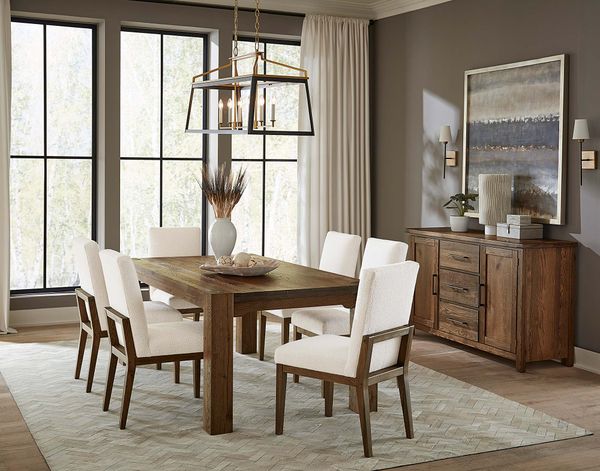
The dining room is often the heart of gatherings, celebrations, and everyday meals. While the dining table usually takes center stage, the right dining room cabinet can make a big difference in how functional and stylish the space feels. From storing dishes and glassware to displaying décor and serving pieces, a well-chosen cabinet adds both organization and character to your dining area.
With so many styles, sizes, and materials available, selecting the right cabinet can feel overwhelming at first. Sideboards, buffets, hutches, and china cabinets all serve different purposes and come in a variety of finishes and configurations. The key is finding a piece that fits your room layout, complements your existing furniture, and provides the storage you actually need.
In this Dining Room Cabinet Buying Guide, we’ll walk through the most important factors to consider before making a purchase. You’ll learn how to choose the right cabinet size for your space, compare common materials and construction styles, and plan a layout that keeps your dining room both functional and visually balanced.
By understanding these essentials, you can confidently choose a dining room cabinet that enhances your space, keeps everything organized, and complements the overall style of your home.
Explore Our Dining Room Cabinet Selection
From display models to functional storage cabinets, we have it all at Lacks Furniture. Browse our online catalog or visit us today to find the perfect dining room cabinet for your home.
Dining Room Cabinets CatalogChoosing the Right Size and Type of Dining Room Cabinet
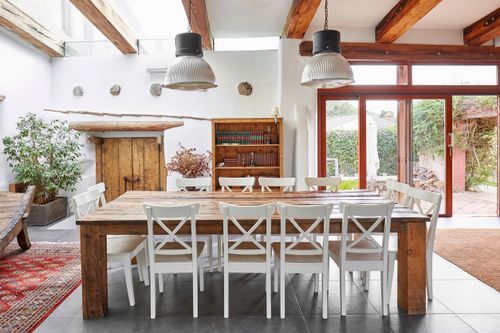
It helps define the layout of the room while keeping dishes, serving pieces, and linens organized and within reach. Selecting the right type and size ensures your cabinet complements the space instead of overwhelming it.
There are several common cabinet styles designed for different needs and room layouts. Understanding these options can help you narrow down the best fit for your home.
- Buffets and sideboards – These low-profile cabinets are the most versatile option. They typically sit along a wall and provide drawers and cabinets for storing plates, utensils, and serving dishes.
- Hutches – A hutch combines a lower cabinet with an upper display section, offering extra storage and a place to showcase glassware or decorative pieces.
- China cabinets – These taller cabinets often feature glass doors and interior lighting, making them ideal for displaying fine china and collectibles.
Size is another important factor. Before purchasing a cabinet, take time to measure your dining area carefully. Start by measuring the wall where the cabinet will sit, then leave adequate clearance for chairs and walking paths. These measurements help ensure the cabinet fits comfortably within your dining room layout ideas.
Typical dining room cabinets range from about 60 to 72 inches wide, though smaller options work well as a dining room cabinet for small spaces. Depth usually falls between 16 and 20 inches, which provides storage without intruding into the room.
Storage needs should also guide your decision. Consider what you plan to store inside the cabinet:
- Dinnerware and serving platters
- Table linens and seasonal décor
- Glassware or specialty items
Finally, try to match the cabinet size with your dining table and overall room layout. A cabinet that feels balanced with the table helps create a cohesive design while keeping the dining room functional and organized.
Learn More: Best Brands for Under the Counter Refrigerators
Comparing Dining Room Cabinet Materials and Construction

The right construction ensures your cabinet looks beautiful while standing up to years of everyday use. When comparing options, it helps to understand the most common materials and how each one performs in terms of durability, maintenance, and style.
Many cabinets are made from a combination of materials. Each option offers its own advantages depending on your needs and the look you want to create in your dining room.
- Solid wood – Often considered one of the best materials for dining room furniture, solid wood cabinets offer excellent durability and a timeless appearance. Natural grain patterns add warmth and character, and the material can last for decades with proper care.
- Engineered wood with veneer – These cabinets feature a sturdy engineered core with a real wood veneer on the surface. When comparing solid wood vs veneered dining cabinets, veneer options often provide a similar look at a more accessible price point while still offering good stability.
- Glass elements – Glass doors or shelving are commonly used in hutches and china cabinets. They allow you to display dishes or décor while keeping items protected.
- Metal accents – Metal frames, handles, or decorative details can add a modern or industrial touch to a dining room cabinet.
Beyond materials, finishes and craftsmanship also play a major role in quality and style. Details to look for include:
- Smooth drawer operation and sturdy joinery
- Quality hardware, such as durable hinges and drawer pulls
- Protective finishes that resist scratches and stains
The material you choose also shapes the overall atmosphere of your dining space. Solid wood often creates a warm, traditional feel, while glass and metal elements can give the room a lighter, more contemporary look.
By carefully comparing materials and construction, you can select a dining room cabinet that complements your décor while providing reliable storage for years to come.
Learn More: 5 Creative Cabinet and Wine Rack Ideas
Layout Tips for Functionality and Style
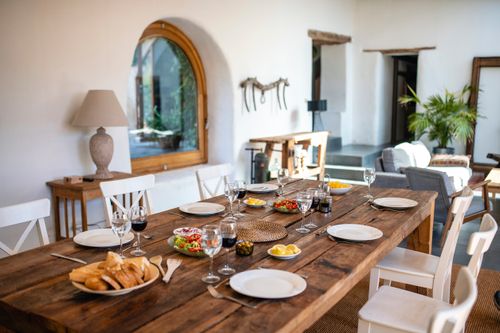
At Lacks Furniture, we know the right dining room cabinet does more than provide storage. Its placement and styling help shape the entire dining area. With thoughtful planning, a cabinet can improve organization, enhance the flow of the room, and add visual balance to your dining space.
One of the first things to consider is where the cabinet will sit within your dining room layout. In many homes, the cabinet is placed along the longest wall so it remains accessible without crowding the table. This arrangement works well in both formal dining rooms and open-concept spaces.
Keep these placement tips in mind when planning your layout:
- Maintain walkway clearance by leaving at least 36 inches of space between the cabinet and the dining table or nearby furniture. This allows guests to move comfortably through the room.
- Use wall space efficiently by placing cabinets along unused walls or between windows to maximize storage without interrupting the dining area.
- Consider traffic flow so the cabinet is easy to access during meals and gatherings.
Dining cabinets can also serve both practical and decorative purposes. Many homeowners use the lower storage areas for everyday items while turning the top surface or upper shelves into display areas.
Popular ways to style a dining cabinet include:
- Displaying serving platters, glassware, or decorative bowls
- Adding framed art, plants, or seasonal décor
- Incorporating integrated lighting for dining room cabinets to highlight special pieces and create a warm ambiance
Coordinating your cabinet with other elements in the room helps create a cohesive design. Look for finishes, hardware, or wood tones that complement your dining table, chairs, and lighting fixtures. Many modern dining room storage furniture trends 2026 emphasize clean lines, mixed materials, and layered lighting to create both function and visual interest.
With the right placement and thoughtful styling, a dining room cabinet can bring together storage, display, and design to elevate the entire dining space.
Learn More: 4 Expandable Dining Room Tables for Small Spaces
Frequently Asked Questions
Start by measuring the wall where the cabinet will go and account for clearance around your dining table and chairs. Leave at least 36 inches for walkways to maintain proper dining room layout ideas and ensure the cabinet fits comfortably without crowding the room.
Popular options include solid wood for durability and a classic look, engineered wood with veneer for a more budget-friendly option, glass for display sections, and metal accents for a modern touch. Choosing the right material affects durability, maintenance, and the overall style of your dining room.
Yes. Many cabinets, including hutches and china cabinets, offer storage drawers and closed cabinets below, while shelves or glass doors above can display dishes, glassware, or decorative items. Adding integrated lighting for dining room cabinets can further enhance the display effect.
Choose a cabinet that complements the size, style, and finish of your dining table and chairs. Consider matching wood tones, hardware, or design elements for a cohesive look. Placement should also maintain good flow and accessibility, helping your dining area feel organized, stylish, and functional.
Shop Dining Room Cabinets at Lacks Furniture
Lacks Furniture is more than just a furniture store; it’s a destination where quality, variety, service, and community commitment come together to offer an unparalleled shopping experience. If you're looking for new furniture or a mattress, or need help with home design, Lacks Furniture is a trustworthy choice that promises to meet and exceed your expectations. Visit one of our furniture gallerias to see everything that Lacks has to offer. If you have questions, our sales team is always happy to help you find the right furniture style for you. Stop by a Lacks Furniture location or give us a call to learn more.